What Are Peptides? A Guide to Research, Uses, and Purity
Peptides are chains of amino acids connected by peptide bonds. They appear in foods, skincare products, medicines, and laboratory research. If you’re comparing peptide benefits or trying to read a peptide lab report, start by asking which compound, formulation, and type of evidence the source is describing.
Peptides vs. proteins
Both peptides and proteins are made of amino acids. Peptides are generally shorter, although there is no single length cutoff that works in every context. Amino acid sequence and structure matter too. Two peptides with similar names may interact differently with biological receptors. IUPAC definition of peptides
Why do people search for peptide benefits?
Common questions cover skin health, hair growth, exercise recovery, muscle growth, weight loss, joint pain, and healthy aging. These searches span several different categories. Collagen peptides in a food or supplement, peptides in skincare, and prescription peptide medicines each need to be evaluated in their own context. Evidence about a topical cosmetic cannot establish the effects of an injectable formulation.
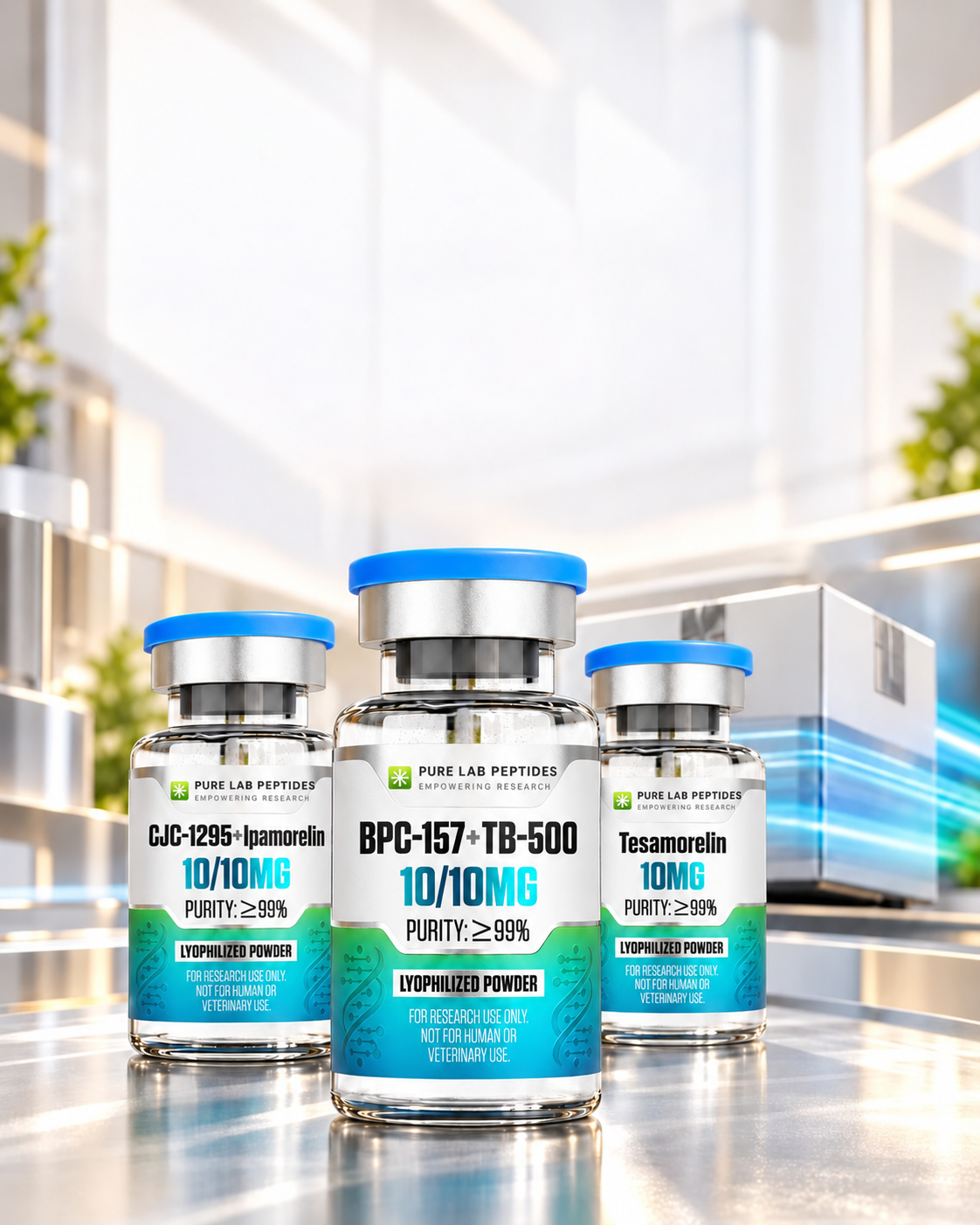
Semaglutide is an example of an ingredient in FDA-approved prescription products for specific indications. Searches about BPC-157, TB-500, CJC-1295, ipamorelin, GHRP-6, Melanotan II, or DSIP raise separate questions about evidence and safety. FDA has identified potential safety concerns for certain substances considered for compounding, including BPC-157, ipamorelin acetate, and Melanotan II. FDA safety information
How to read a peptide certificate of analysis
A certificate of analysis, or COA, records test results for a sample. Start by matching the product name and lot number on the report to the label. Check the report date, the testing laboratory, and which methods it used.
- Identity. Check how the report identifies the material. A mass spectrometry result may provide evidence about the measured molecular mass.
- Purity. Check what the percentage represents. An HPLC peak-area percentage describes the signal measured under the reported method. It does not by itself establish the total mass of peptide in a vial.
- Other tests. Check whether the report actually includes results for any other property you need to assess. Chemical purity alone cannot establish sterility or clinical safety.
How to evaluate peptide research and clinical claims
Start with the original paper or trial record. Check whether the work was done in cells, in animals, or in people. For human research, look for the population studied, the comparison group, the outcomes measured, and any adverse events. A registered trial shows that a study was planned or conducted. Read its results before drawing conclusions.
Peptide drug development includes research on receptors, stability, delivery, diagnostics, and oncology. These research topics describe areas of investigation. For questions about a specific medicine or treatment, consult the approved labeling and a licensed clinician. ClinicalTrials.gov · Drugs@FDA
Frequently asked questions about peptides
Does “research use only” mean a product is suitable for people?
No. A laboratory catalog listing and a lot report do not establish that a product has been approved for human use. For medical decisions, discuss an appropriate approved product with a licensed clinician.
How can I check a claim from a peptide forum or testimonial?
Look for the exact compound, the original source, and evidence in people that applies to the claim. Testimonials can describe personal experiences, but they cannot show whether a product caused an outcome or establish its safety.
What should I check first when comparing peptide reports?
Match the lot number and product name, then check the identity and purity tests. Read the method and reported result together. Ask for clarification if a test or its interpretation is missing.
More peptide education articles